

Event Campaigns
What is an event campaign and how do you run one?
An event campaign is a planned set of marketing activities, with a start date, an end date and one goal, built around a single event. It is shorter and sharper than a general marketing plan. Its goal is usually registrations, but it can also be sponsor sign-ups, speaker applications or post-event leads.
This guide explains the phases of an event campaign, shows a worked structure and lists the numbers to track. It stays practical: use it as a checklist for your next event.
Updated by the Eventdex team


4.7/5 from 39 reviews on each
What an event campaign is, and is not
A campaign has a clear goal and a time limit. A steady stream of posts with no end date is not a campaign.
A campaign also differs from your wider plan. The plan covers the full event marketing program. The campaign is the time-bound push inside it.
Event marketing plan
The whole approach to promoting an event, with budget and channels.
Event marketing planEvent campaign
One focused push with a theme, a goal and dates. A single event may have several: one for registration, one for sponsors, one for follow-up.
The four phases of an event campaign
Most campaigns follow the same arc. The length of each phase depends on your event.
Tease
Build curiosity before registration opens. Share a theme, a first speaker or a date. Collect interest sign-ups if you can.
Launch
Open registration and announce widely. Send the main email, post on social channels and ask partners to share.
Event invitation email templateSustain and convert
Keep interest alive with new speakers, sessions and reasons to register. Remind people of the deadline. Follow up with those who started but did not finish registering.
Event promotion ideasClose and follow up
Send last-chance and logistics messages. After the event, thank people, share content and measure results.
Event follow-up email
A worked campaign structure
This structure fits a one-day conference. The weeks are an example. Scale them to your own timeline.
| Phase | Weeks before | Main activity | Goal |
|---|---|---|---|
| Tease | 10 to 8 | Theme announcement, first speaker, interest list | Build a list of interested people |
| Launch | 8 to 6 | Event page live, registration open, launch email and partner posts | First wave of registrations |
| Sustain | 6 to 2 | Speaker features, agenda release, reminders, reminders to unfinished registrations | Steady growth to target |
| Close | 2 to 0 | Final call, logistics email, app download | Last registrations and a high turnout |
| Follow up | 0 to +2 | Thanks, survey, recordings and results | Feedback and next steps |
What every campaign needs
Check these items before you launch.
One goal and one number
For example, a registration target by a date. State it in the campaign brief.
A clear audience
Write who the campaign is for and what problem the event solves for them.
A theme and a message
One idea, repeated in different ways. Reuse the same words on the event page, emails and social posts.
Event landing pageA working registration path
Test the form on a phone before launch. A broken form wastes the whole campaign.
Event registration form
Metrics for an event campaign
Track a small set of numbers and review them weekly while the campaign runs. Compare against the target you set, not against someone else's results.
| Metric | What it tells you | Action if low |
|---|---|---|
| Registrations over time | Whether you will reach target | Add a push, a new speaker or a partner share |
| Registrations by source | Which channels bring people | Move effort to the channels that work |
| Landing page to registration rate | Whether the page and form convince | Shorten the form, clarify the offer |
| Attendance rate | How many registered people came | Improve reminders and the app message |
| Cost per registration | Efficiency of spend | Cut the weakest channel |
Where Eventdex fits
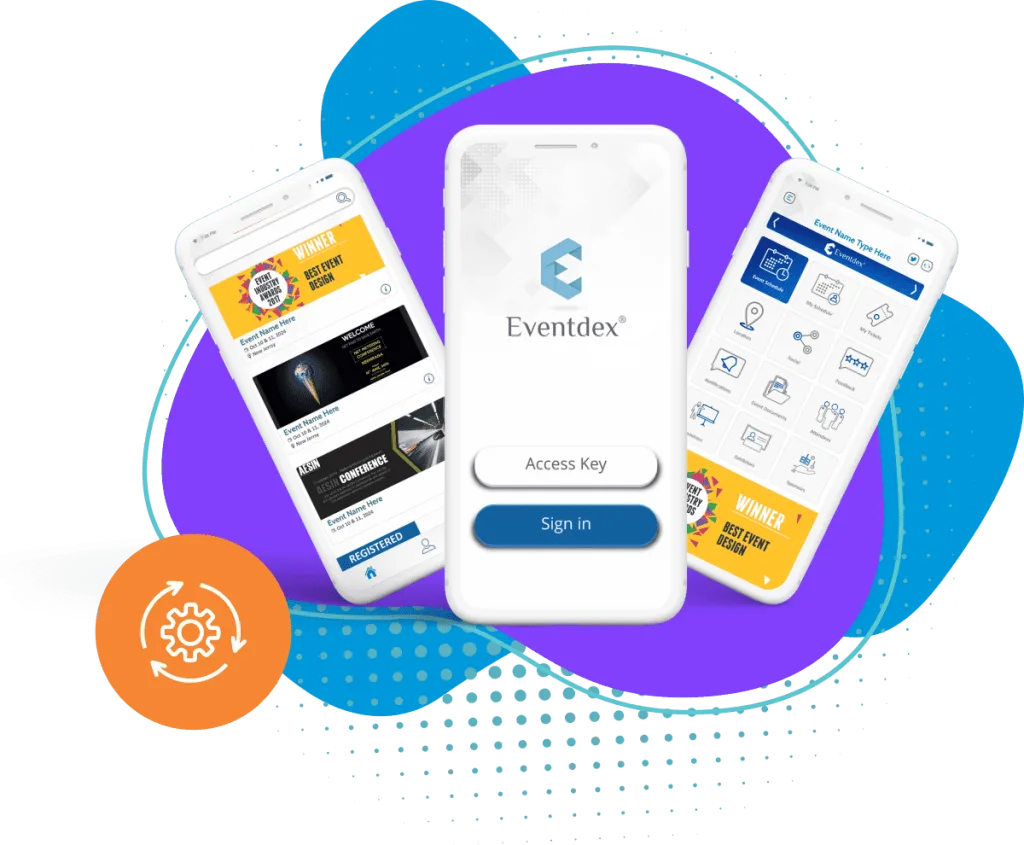
Eventdex's pages describe registration and ticketing, an event mobile app, attendee communication and reporting. These cover the registration path and the numbers a campaign depends on. Eventdex's pages do not describe an advertising or social posting tool, so run paid and social activity in your own channels and send people to your Eventdex registration page.
The Eventdex platform
The jobs event management software covers
- Event managementThe platform behind registration, the app and on-site tools.Learn more about Event management
- Registration and ticketingRegistration pages, ticket types and payments.Learn more about Registration and ticketing
- Event mobile appThe schedule and announcements in attendees' pockets.Learn more about Event mobile app
- Event technologyHow the tools around an event fit together.Learn more about Event technology
“Eventdex helped me run a smooth registration process during my event and helped me deliver an excellent mobile application to my event's attendees. Their support team was brilliant and I really enjoyed incorporating the Eventdex solutions into my events.”
 University at Buffalo
 Eversource Energy
 Georgia Tech
 Influence Communications
FAQ
Event Campaigns: common questions
What is an event campaign?
An event campaign is a time-limited set of marketing activities built around one event, with a single goal such as registrations. It runs from the first announcement until follow-up ends.
How long should an event campaign run?
It depends on the event and how long your audience takes to decide. Many teams start six to ten weeks before the event. A small webinar needs less time than a large conference.
What is the difference between an event campaign and an event marketing plan?
The marketing plan covers the whole approach: audience, budget, channels and goals. The campaign is a focused push within it, with a theme and dates.
Which channels should an event campaign use?
Use the ones where your audience already pays attention. Email to your own list is a common base. Add social media, partner promotion and paid ads only if you can track the results.
How do I know if the campaign worked?
Compare registrations and attendance against the targets you set before launch. Then look at which sources brought people and what each cost.
Turn your campaign into registrations
Start with a free interactive floor plan, or talk to an event specialist on +1 (866) 434-5088.