


How to Promote an Event
How do you promote an event, step by step?
To promote an event, decide who it is for, give them one clear page to register on, then reach them again and again before the date. The order matters more than the tools. This guide puts the steps on an eight-week timeline you can copy.
If you want a menu of ideas instead of a schedule, read event marketing ideas. If you want to know about paid channels, read event advertising. Here, you get the sequence.
Updated by the Eventdex team


4.7/5 from 39 reviews on each
The steps in order
Promotion is a handful of steps repeated for several weeks. Do the first three once, then cycle through the rest.
Define the audience and the one action
Write who the event is for and what you want them to do. The action is usually to register.
Write the promise
In two sentences, say what attendees will get and why it is worth their time.
Build one page to register on
Date, place or link, agenda, speakers and a clear button. Every post and email points here.
Event landing page guideInvite people you already know
Past attendees, customers, partners and speakers' networks respond first.
Share in the places your audience reads
Email, the channels you already post on and communities that fit. Reach out before you post.
Remind and add new reasons
Each message should carry something new: a speaker, a session or a deadline.
Watch registrations and adjust
If one source brings people, do more of it. If one does not, change it or drop it.
The 8-week promotion timeline
Use this as a starting point. For a small event, compress it. For a large conference, start earlier.
| When | What to do | Check |
|---|---|---|
| 8 weeks out | Set the audience, goal and promise. Build the registration page. | Can a stranger understand it in ten seconds? |
| 7 weeks out | Open registration. Email past attendees and partners. | Does the link work on a phone? |
| 6 weeks out | Send speakers and partners a share kit. Publish one useful article. | Who has shared the link so far? |
| 5 weeks out | Announce the first speakers or sessions. | Which source brings the most sign-ups? |
| 4 weeks out | Send a second email to people who opened but did not register. | Is the page answering their questions? |
| 3 weeks out | Announce more of the agenda. Share a short post from a speaker. | Are registrations on the pace you need? |
| 2 weeks out | Add a deadline or a limited offer only if it is true. Send a last wave to partners. | Do you need to adjust the plan? |
| 1 week out | Send logistics and a short reminder. Make a last call. | Do registrants know where to go and when? |
| The day before and the day of | Send a brief reminder with the practical details. Post from the event. | Is the check-in plan ready? |
Ways to publicize an event
Publicizing an event is about being seen where your audience already looks. These are the main routes.
Your own email list
The most direct route. People who know you are most likely to register.
Invitation email templateYour website and social profiles
Put the event on your home page and pin a post about it.
Partners, speakers and sponsors
They bring audiences you cannot reach alone. Ask early and make sharing easy.
Local or industry listings
Many associations and local sites list events for free. Check their rules.
Common mistakes to avoid
Most failed promotion has one of these causes.
Starting too late
People need time to decide, ask a manager and clear their calendar.
Sending people to many places
One page and one button. Everything else adds friction.
Repeating the same message
Add a new reason each time: a speaker, a topic or a deadline.
Never checking the numbers
Look weekly. Registrations tell you early if the plan is working.
Where Eventdex fits
Eventdex's pages describe registration pages with free, paid or donation-based tickets, customizable email templates, an event mobile app and event analytics. Eventdex's pages do not describe scheduling social posts or buying ads. Do those in the tools you already use and send the traffic to your Eventdex registration page.
The Eventdex platform
Where your promotion traffic lands
- Registration and ticketingRegistration pages with free, paid or donation-based tickets.Learn more about Registration and ticketing
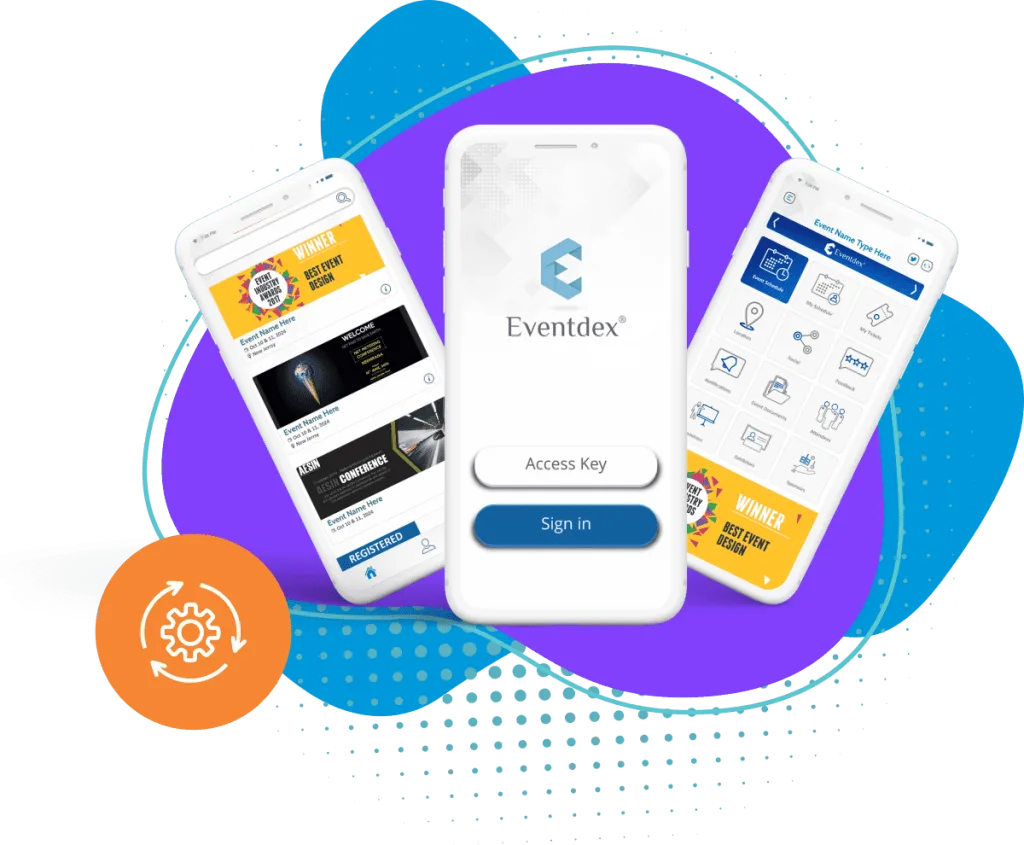
- Event mobile appThe schedule and announcements in attendees' pockets.Learn more about Event mobile app
- Event analyticsReports to judge which efforts brought people in.Learn more about Event analytics
- Event technologyHow the tools around an event fit together.Learn more about Event technology
“We really appreciated the adaptability of the software to meet our changing needs. For example, we liked being able to create promo codes to offer reduced rates to conference attendees with special circumstances.”
 University at Buffalo
 Eversource Energy
 Georgia Tech
 Influence Communications
FAQ
How to Promote an Event: common questions
When should I start promoting an event?
Eight weeks before is a sound starting point for a mid-sized event. Small events can start later, and large conferences earlier. Start as soon as you have a date and a page people can register on.
What is the first thing to do?
Decide who the event is for and what you want them to do. Then build one page where they can do it.
How can I promote an event for free?
Email your own list, ask speakers and partners to share, post on channels you already have and use free listings. These cost time rather than money.
What is the difference between promoting and publicizing?
In practice, they mean the same: getting the word out. Publicizing often points to news and listings, while promoting covers the whole effort including email and partners.
Does Eventdex promote my event?
Eventdex's pages describe the registration, email templates, app and analytics. They do not describe promoting the event on your behalf.
Build the page your promotion points to
Start with a free interactive floor plan, or talk to an event specialist on +1 (866) 434-5088.