The Ultimate Guide to Speed Networking for Events, TradeShows, and Networking Events
Business networking sessions are more than just exchanging business cards or saying hello over coffee. In today’s professional world, building real connections takes more than luck or chance. Speed networking is changing the way people meet and interact at events. Instead of wandering around hoping to find the right person, participants engage in structured conversations that are short, focused, and meaningful. These sessions help professionals get to know each other quickly, share their goals, and explore opportunities that could lead to long-term collaborations.
Be it a conference, an industry meetup, or a corporate gathering, speed networking makes every interaction count. Moreover, AI speed networking platforms and tools for meet and match networking make it easier for organizers to guide participants, suggest relevant connections, and track outcomes. This blog post will take you through everything you need to know about speed networking. You will learn about different formats, the benefits of structured sessions, practical tips for participants, and ways to turn brief conversations into lasting professional relationships. By the end, you will see how guided speed networking sessions can truly transform your networking experience.
What Is Speed Networking?
Speed networking is a smarter, more intentional way to connect with people when time is limited, and outcomes matter. Instead of relying on chance conversations or awkward small talk, speed networking sessions are designed to help participants meet the right people, quickly, comfortably, and with purpose. Furthermore, most speed networking formats rely on short, timed conversations that keep things moving without letting any one discussion drag on.
Each business networking session lasts just long enough to exchange context, explore mutual value, and decide whether a follow-up makes sense. This structure turns traditional networking into structured networking sessions, predictable, efficient, and far less intimidating for both introverts and seasoned professionals. What makes modern speed networking truly effective is intention. Many organizers now design curated networking sessions based on industry, role, goals, or experience level. Hence, from targeted networking sessions for business founders and investors to focused networking sessions for mentors and mentees, this approach keeps conversations purposeful rather than left to chance.
How Speed Networking Works: A Detailed Breakdown
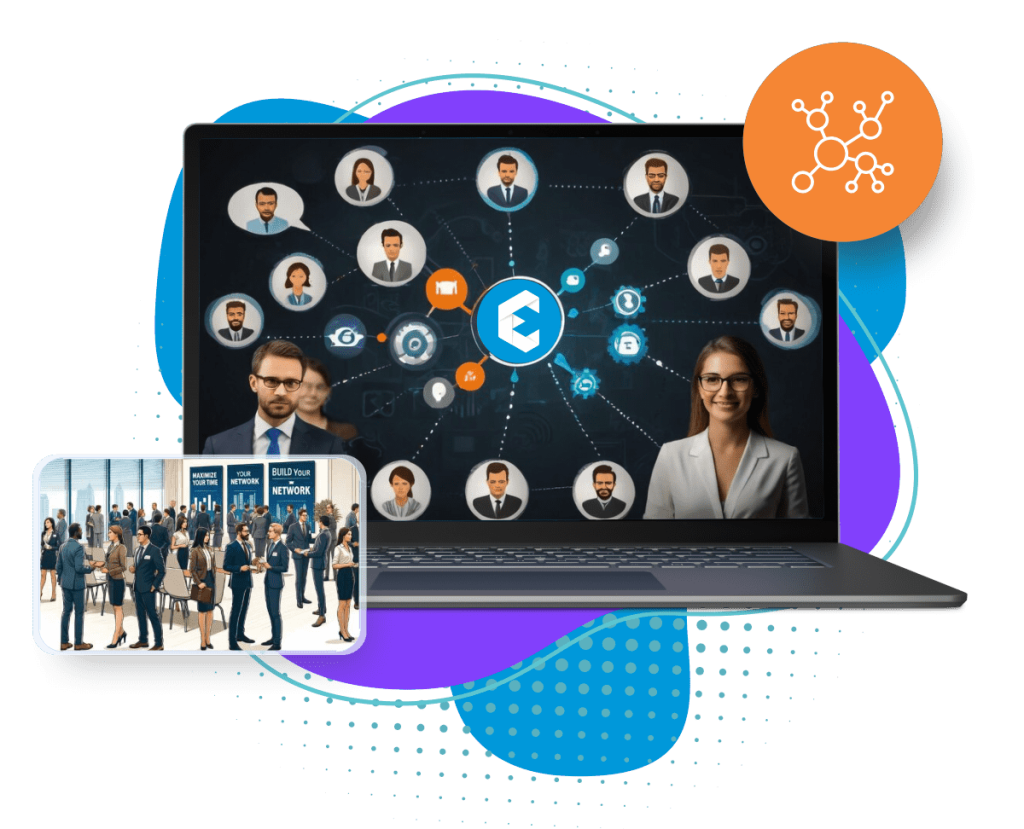
Unlike traditional mixers that rely on spontaneous conversations, Speed networking is built around intention and movement. Every interaction is designed to be short, purposeful, and balanced, ensuring that participants spend their time connecting rather than searching for someone to talk to. These Speed networking sessions are carefully planned to help attendees meet a large number of relevant people without feeling rushed or overwhelmed.
The experience usually begins with a clearly defined structure. Organizers decide on the Speed networking format based on the size of the group and the outcome they want to achieve. In many business networking sessions, participants are seated across from one another at tables or arranged in a circular setup. Each pairing is given a fixed window of time to connect, creating a rhythm that keeps conversations focused and productive. These short exchanges are often referred to as timed networking meetings, as they rely on strict time limits to maintain fairness and flow.
Once the session starts, participants introduce themselves, share what they do, and explain what kind of connections they are looking to make. Because time is limited, conversations naturally stay on point. This is what makes focused networking sessions and structured networking sessions so effective, especially in professional environments where clarity matters. When the time is up, a signal prompts participants to rotate, allowing a new conversation to begin. This rotation continues until everyone has had the opportunity to interact with multiple people, turning the session into one of the most efficient rapid networking sessions possible.
In larger events, particularly networking sessions for conferences, this structure ensures equal visibility for all attendees. No one is left on the sidelines, and every participant gets the same opportunity to connect. Many organizers also design targeted networking sessions within these events, grouping participants by role, industry, or shared interests to make conversations more relevant.
Today, technology plays an increasingly important role. Event organizers rely on an AI speed networking platform to support meet and match networking, pairing attendees based on preferences or goals collected during registration. this adds another layer of value by transforming basic interactions into curated networking sessions and curated networking sessions that feel intentional and personalized.
After the rotations conclude, participants are encouraged to reflect, take notes, and exchange contact details with people they want to reconnect with. When thoughtfully executed, business networking sessions and networking sessions for conferences powered by structured networking sessions do more than introduce people. They create momentum for meaningful professional relationships that continue well beyond the event.
The Purpose of Speed Networking Events
Speed networking events are designed to solve a very real challenge faced by modern professionals and event organizers. Traditional networking often feels unstructured, time-consuming, and unpredictable. Speed networking changes that by introducing intention, structure, and measurable outcomes. The purpose of these speed networking events is to help people connect faster, smarter, and with greater relevance.
Facilitating efficient, targeted connections
One of the primary goals of speed networking sessions is to eliminate randomness from professional interactions. Instead of hoping to meet the right person, attendees are guided into conversations that align with their goals and interests.
Through Structured networking sessions and clearly defined Timed networking meetings, participants know exactly when to speak, who they are meeting, and how much time they have. This structure makes conversations more focused and productive, especially in high-energy environments like Networking sessions for conferences.
Key outcomes of efficient, targeted connections include:
- Faster introductions without awkward gaps or guesswork
- Purpose-driven conversations instead of surface-level small talk
- Better use of limited event time through rapid networking sessions
- Increased relevance through targeted networking sessions and curated matching
Driving business opportunities, partnerships, and hiring
Another major purpose of speed networking is to create real business outcomes. Well-planned Business networking sessions are not just about conversations; they are about opportunities.
In events powered by meet and match Networking, professionals can quickly identify potential clients, collaborators, or employers. This is especially effective for sales-driven events, startup ecosystems, and recruitment-focused gatherings.
Speed networking supports business growth by enabling:
- Quick discovery of partnership opportunities
- Lead generation within focused networking sessions
- Recruiter and candidate introductions through rapid networking Sessions
- High-impact conversations inside business networking sessions
Because these sessions are structured, participants can assess fit early and move promising discussions forward after the event.
Supporting mentorship, knowledge sharing, and community building
Beyond business outcomes, speed networking plays a powerful role in mentorship and community development. Short, guided conversations lower the barrier to approaching experienced professionals, making mentorship more accessible.
In Structured Networking Sessions, mentors and mentees can connect without pressure, while knowledge exchange happens organically. Over time, these repeated interactions help build trust and a sense of belonging within professional communities.
Common benefits include:
- Easier access to mentors and industry leaders
- Encouragement of peer-to-peer learning
- Stronger communities built through Curated Networking Sessions
- More inclusive participation across experience levels
These interactions often begin in speed networking sessions and evolve into long-term professional relationships.
Why event organizers include speed networking in event agendas
Event organizers increasingly rely on speed networking because it delivers clear value. Attendees expect more than passive sessions, and Networking Sessions for Conferences must show tangible returns.
By incorporating a defined Speed networking format, organizers can:
- Increase attendee engagement and satisfaction
- Differentiate events using creative Speed networking event ideas
- Offer measurable outcomes through participation data
- Support multiple goals within a single agenda slot
For conferences and trade events, structured networking sessions are no longer optional. They are a strategic tool that transforms networking from an afterthought into a core experience.
Key Benefits of Speed Networking for Attendees and Organizers
Speed networking has evolved into one of the most effective ways to create meaningful professional connections in a limited amount of time. Unlike open mixers that often feel unstructured, modern speed networking sessions are intentionally designed to deliver value to both attendees and organizers through clarity, pacing, and purpose.
Saves time while maximizing connections
One of the most powerful advantages of Speed networking is its ability to compress hours of networking into a short, high-impact experience. Attendees do not need to search for conversations or wait for the right moment to engage. Every interaction is planned, timed, and intentional.
In Rapid networking sessions, participants rotate through a series of Timed networking meetings, allowing them to meet a larger number of people than traditional formats typically allow. This approach is especially valuable in Business Networking Sessions and Networking Sessions for Conferences, where time is limited and expectations are high.
Key outcomes include:
- More conversations in less time
- Clear expectations for each interaction
- Reduced downtime between discussions
This efficiency makes speed networking sessions a practical choice for busy professionals who want results without wasted effort.
Creates equal networking opportunities for all participants
Traditional networking often favors the most outgoing voices in the room. Structured networking sessions level the playing field by ensuring every participant receives the same number of interactions and the same amount of time.
In curated networking sessions, no one is left standing alone or struggling to enter conversations. Each person rotates through scheduled meetings, making networking more inclusive and accessible across experience levels, job roles, and personality types.
This structure benefits:
- First-time event attendees
- Junior professionals
- Individuals attending large Networking Sessions for Conferences
By removing social hierarchy from the process, Structured Networking Sessions help every participant feel seen and valued.
Reduces networking anxiety through structure
Networking anxiety is more common than most professionals admit. Walking into a room full of strangers without a plan can feel overwhelming. A clear speed networking format replaces uncertainty with guidance.
Participants in Focused networking sessions know exactly where to sit, when to speak, and when to move on. This predictability reduces pressure and allows attendees to focus on conversation quality rather than social navigation.
Supportive elements include:
- Clear time limits
- Defined conversation flow
- Optional prompts or discussion themes
Many events now enhance this experience further by using an AI speed networking platform, which supports intelligent pairing and smooth transitions through meet and match networking.
Increases engagement and session participation
Because speed networking sessions move quickly and involve constant interaction, participant energy stays high. Attendees are actively engaged rather than passively listening or waiting for opportunities to arise.
In targeted networking sessions, curated matches ensure conversations are relevant, which increases attention and follow-through. Participants are more likely to stay present when they know each interaction aligns with their professional goals.
This leads to:
- Higher attendance rates
- Longer session retention
- More post-event conversations
For organizers planning Networking Sessions for Conferences, this level of engagement directly improves event satisfaction scores.
Delivers measurable value for event organizers
From an organizer’s perspective, speed networking is not just experiential. It is measurable. Structured formats allow clear tracking of participation, interaction volume, and engagement quality.
With Curated Networking Sessions powered by technology, organizers can:
- Monitor attendance and interaction data
- Measure engagement per participant
- Assess the success of Speed networking event ideas

Advantages and Disadvantages of Speed Networking
Like any format, Speed networking comes with strengths and limitations. Understanding both helps organizers design better experiences.
Advantages of Speed Networking
- High volume of meaningful conversations in a short timeframe: Allows attendees to meet many relevant professionals quickly, maximizing networking opportunities and potential connections.
- Encourages clear communication and goal-driven dialogue: Participants focus on concise introductions and relevant discussion, fostering purposeful and productive conversations.
- Works well for introverts and first-time attendees: Structured rotations reduce anxiety, giving less outgoing participants equal chances to engage confidently.
- Scales easily for large networking sessions for conferences: Effective for events of any size, enabling organizers to connect hundreds of participants efficiently.
- Adaptable across industries using rapid networking sessions: Flexible format works for corporate, academic, nonprofit, and trade-specific professional networking events alike.
Disadvantages of Speed Networking
- Short interaction time may limit depth for complex discussions: Quick rotations can prevent detailed exploration of topics requiring longer, in-depth conversations.
- Requires strong planning and facilitation to avoid confusion: Sessions depend on careful timing, logistics, and coordination to run smoothly without disruption.
- Not ideal for audiences seeking long-form conversations or workshops: Participants needing extended discussion, brainstorming, or collaborative problem-solving may find it insufficient.
When designed thoughtfully, speed networking sessions remain one of the most effective tools for creating structured, inclusive, and outcome-driven professional connections.
Popular Speed Networking Event Formats
When planning speed networking sessions, one of the most important decisions an organizer makes is selecting the right speed networking format. The format you choose can dramatically affect how participants engage, the quality of connections, and overall satisfaction. Each format comes with unique advantages, and choosing the right one depends on the size of your audience, the objectives of your session, and the level of interaction you want to foster.
Most successful events offer structured networking sessions that guide participants while giving them enough flexibility to explore new connections. By understanding the most popular speed networking event ideas, organizers can tailor experiences that deliver measurable value to attendees and encourage meaningful engagement.
Several speed networking formats have proven effective for different types of events. These formats are often used in business networking sessions, networking sessions for conferences, and even rapid networking sessions for fast-paced professional gatherings. Key considerations include:
- Audience size
- Level of interactivity desired
- Type of connections participants are seeking
- Available space and resources
- Opportunities for follow-up
Selecting the right format ensures your timed networking meetings flow smoothly, participants feel engaged, and each interaction has a purpose. Below are some of the most prevalent speed networking formats.
Round Robin (One-on-One) Model speed networking
The round robin model is a classic speed networking format and is ideal for creating direct, focused connections. Each participant meets one person at a time, typically for a brief, timed conversation. These interactions are often structured as timed networking meetings, ranging from three to five minutes. After the time is up, participants rotate to the next person.
How it works:
- Participants are paired and rotate systematically.
- Each interaction is short but purposeful, encouraging clear communication.
- Organizers often provide prompts or conversation starters to guide discussions.
Best use cases:
- Targeted networking sessions where attendees are looking for specific connections.
- Smaller events or workshops where personal attention is important.
- Professional groups that benefit from focused introductions.
The round robin model is excellent for curated networking sessions, as it ensures that each participant gets equal opportunities to meet a variety of people without feeling overwhelmed.
Station-Based Model speed networking
The station-based model is slightly more dynamic and allows participants to rotate through fixed stations. Each station may have a host, topic, or focus area, making it suitable for curated business networking or thematic connections. This approach works well in larger networking sessions for conferences, where it may be difficult for every participant to meet everyone else individually.
How it works:
- Attendees rotate between predetermined stations.
- Each station may include a mentor, exhibitor, or subject matter expert.
- Conversations are timed networking meetings to keep momentum.
Ideal for:
- Mentorship programs where participants meet multiple advisors in one session.
- Exhibitors or recruiters looking to connect with many attendees quickly.
- Rapid networking sessions where variety and exposure are key.
The station-based model also pairs well with a meet and match networking approach, where participants can be pre-matched with stations that suit their interests or professional goals.
Group-Based Speed Networking
In the group-based model, small groups rotate instead of individuals, allowing for richer discussions and collaborative interactions. This format is ideal for creating focused networking sessions where participants can learn from multiple peers simultaneously.
How it works:
- Groups of 4–6 participants rotate through different discussion sessions.
- Each round is a timed networking meeting, allowing for structured yet engaging conversation.
- Facilitators can guide discussions to ensure everyone contributes and connections are meaningful.
Benefits:
- Encourages collaboration and discussion rather than just individual exchanges.
- Supports structured networking sessions in professional development workshops.
- Works well for curated networking sessions, where topics or industries are predefined.
Group-based sessions are particularly effective for organizations using an AI speed networking platform, as these systems can intelligently match participants based on skills, interests, or goals, enhancing both relevance and engagement.
Selecting the right speed networking format is crucial to delivering a successful event. Round robin sessions are perfect for focused, one-on-one interactions, station-based formats offer variety and targeted opportunities, and group-based sessions encourage collaboration and idea-sharing. Organizers can also combine formats in larger events to create hybrid business networking sessions or curated networking sessions that maximize engagement and impact. By planning carefully and selecting the appropriate format, networking sessions for conferences or professional events become meaningful experiences for every attendee, ensuring connections are purposeful, productive, and lasting.
7 Key Steps to Organize a High-Impact Speed Networking Event
Organizing a speed networking event that leaves a lasting impression requires careful planning, attention to detail, and a focus on the attendee experience. When executed correctly, speed networking sessions can provide meaningful connections, increase engagement, and set the stage for long-term professional relationships. Here are seven essential steps to create a high-impact speed networking event.
-
Define clear goals and success metrics
Every successful speed networking session starts with a clear understanding of its objectives. Are you aiming to help attendees meet potential clients, explore mentorship opportunities, or connect professionals within a specific industry? Setting measurable goals allows organizers to design a session that aligns with attendees’ expectations.
For instance, if your goal is to facilitate sales leads, you might track the number of business networking sessions each participant engages in or the quality of follow-up meetings. Alternatively, for mentorship-focused events, you could measure the number of meaningful conversations and subsequent mentor-mentee pairings. Clear success metrics ensure that both participants and organizers recognize the tangible value of the event.
-
Identify the right audience and participant mix
Once the objectives are set, focus on building the right participant pool. Curating the attendee list is critical to creating targeted networking sessions that maximize relevance and engagement. Segment participants based on their industry, professional level, or networking goals.
For large conferences, blending a mix of experienced professionals with newcomers fosters knowledge exchange and creates curated networking sessions that appeal to a wide range of attendees. Using registration forms that capture participant interests can also help design a matchmaking system for more meaningful connections. For events that leverage technology, platforms like an AI-powered speed networking platform can automatically pair attendees for meet-and-match networking, enhancing efficiency and satisfaction.
-
Select the ideal format and session length
Choosing the right speed networking format is essential to delivering a productive experience. The round-robin model is popular for rapid networking sessions, where participants rotate through timed interactions with each attendee. Station-based formats work well for larger groups or specialized discussions, while small group rotations encourage collaborative engagement and deeper conversations.
Timing is another critical factor. Timed networking meetings typically last between three to five minutes, balancing the need for brevity with enough time to establish rapport. Adjusting the duration according to your audience ensures that interactions remain focused, enjoyable, and effective.
-
Use technology for registration, matchmaking, and timing
Modern speed networking sessions increasingly rely on technology to streamline processes. Using an AI speed networking platform can automate registration, schedule rotations, and provide real-time guidance during business networking sessions. These tools enable organizers to deliver structured networking sessions without logistical confusion, reducing manual effort and increasing attendee satisfaction.
Technology also allows for curated networking sessions, where participants are pre-matched based on goals or industries. Virtual events particularly benefit from these solutions, allowing attendees in different locations to engage in rapid networking sessions seamlessly.
-
Prepare participants with guidelines and prompts
Preparation is key to maximizing the impact of speed networking sessions. Provide participants with clear instructions on timing, conversation etiquette, and the format in advance. Offering guidance on crafting elevator pitches and conversation prompts ensures that focused networking sessions remain purposeful and engaging.
For example, you might share suggested icebreaker questions or industry-specific discussion points. Providing this support encourages attendees to approach networking sessions for conferences with confidence and clarity, making interactions more productive and enjoyable.
-
Train moderators and facilitators
Even the best-planned speed networking sessions can falter without effective facilitation. Moderators play a crucial role in guiding participants, keeping timed networking meetings on schedule, and resolving any issues during the event. They also help maintain energy levels, ensuring that participants remain engaged throughout structured networking sessions.
Training facilitators on best practices, session objectives, and the use of technology enhances their ability to support both in-person and virtual curated networking sessions. A well-prepared team ensures smooth execution, allowing attendees to focus entirely on building connections.
-
Plan structured post-event follow-ups
The true value of speed networking is realized after the event ends. Encouraging participants to follow up with connections transforms brief interactions into long-term professional relationships. Organizers can support this by providing contact lists, digital directories, or access to AI speed networking platform analytics that highlight potential matches.
Creating opportunities for post-event engagement ensures that targeted networking sessions continue to deliver value. Follow-ups can include scheduled meetings, mentorship programs, or even collaborative projects, turning initial interactions into tangible outcomes.
Best Practices for Speed Networking Success
Success in speed networking sessions is a shared responsibility between participants and organizers. Following best practices ensures meaningful connections and a smooth, enjoyable experience.
For Participants
Crafting a strong elevator pitch
A concise, engaging elevator pitch is critical in rapid networking sessions. Participants should communicate their background, expertise, and networking goals within a short time frame. A well-prepared pitch helps attendees make a strong first impression during timed networking meetings and fosters interest from potential contacts.
Asking purposeful questions
Purpose-driven questions are essential to building valuable connections. In business networking sessions, questions should reveal shared interests, uncover opportunities, and demonstrate curiosity about the other participant’s expertise. Thoughtful questions elevate curated networking sessions by promoting focused dialogue.
Practicing active listening
Networking is a two-way process. Active listening ensures participants understand their counterparts’ needs, goals, and perspectives. This skill is particularly important in focused networking sessions, where brief conversations must generate meaningful connections.
Managing time effectively
Respecting the time limit in timed networking meetings allows each participant to interact with multiple attendees without feeling rushed or ignored. Proper time management is critical for the success of structured networking sessions.
Following up after the event
Prompt follow-up transforms brief exchanges into lasting relationships. Participants should connect via email or social platforms to continue discussions initiated during meet and match networking. Post-event follow-up enhances the value of networking sessions for conferences.
For Event Organizers
Clear communication before and during the session
Participants benefit from detailed instructions and clear expectations. Providing guidance ensures curated business networking experiences are smooth, organized, and professional. Effective communication helps attendees focus on making connections rather than navigating logistics.
Using data and feedback to improve future events
Collecting attendee feedback and engagement metrics from AI speed networking platforms allows organizers to refine future rapid networking sessions. This approach ensures continuous improvement and higher satisfaction in subsequent business networking sessions.
Ensuring smooth transitions and time control
Maintaining pacing during structured networking sessions is essential. Facilitators should oversee timed networking meetings and guide participants through rotations efficiently. Smooth transitions contribute to an enjoyable, productive environment that encourages meaningful connections.
Speed Networking Questions That Drive Real Conversations
To make speed networking sessions engaging and productive, organizers can provide suggested questions tailored to different contexts.
Universal Speed Networking Questions
- What inspired you to attend this speed networking event?
- Can you describe a recent project that excites you?
- What professional connections are you hoping to make today?
Speed Networking Questions for Mentorship
- What career advice has been most impactful for you?
- How did you navigate early challenges in your industry?
- Are there skills you recommend developing for future growth?
Business & Sales-Focused Networking Questions
- What business goals are you pursuing this year?
- Which partnerships or collaborations are you seeking?
- How does your company approach industry challenges?
Icebreaker Questions for Comfortable Networking
- What is a book, podcast, or course that has influenced your career?
- What professional achievement are you most proud of?
- If you could collaborate with anyone here, who would it be?
These questions help guide participants through focused networking sessions and ensure that interactions remain productive and meaningful.
Measuring the Success of a Speed Networking Event
Evaluating the effectiveness of speed networking sessions ensures long-term impact and continuous improvement.
Attendee feedback and satisfaction scores
Surveys collected after the event reveal how participants perceived business networking sessions. Feedback can include questions about session structure, usefulness of connections, and overall experience.
Number and quality of connections made
Tracking how many meaningful interactions occur helps quantify the success of structured networking sessions. Quality is as important as quantity in targeted networking sessions.
Post-event meetings, leads, or collaborations
The ultimate goal of speed networking is to translate brief conversations into ongoing professional relationships. Monitoring follow-ups, collaborations, or partnerships highlights the practical value of curated networking sessions.
Engagement and follow-up metrics
Platforms like an AI speed networking platform provide analytics on participant activity, interaction duration, and follow-up actions. These metrics guide organizers in optimizing future rapid networking sessions.
Common Speed Networking Mistakes and How to Avoid Them
Even well-organized speed networking sessions can fall short of expectations if common mistakes are overlooked. Recognizing these pitfalls allows both organizers and participants to maximize the value of business networking sessions and ensure every interaction is meaningful.
- Poor time management during timed networking meetings: Allowing conversations to run over time or cutting them short can create stress and reduce engagement. Using timers, moderators, or an AI speed networking platform can help maintain precise rotations and keep rapid networking sessions on track.
- Lack of preparation by participants or organizers: Attendees without clear elevator pitches or organizers without clear instructions can result in confusion and superficial conversations. Pre-event guidance and structured prompts are essential for structured networking sessions and curated networking sessions.
- Unclear objectives for the speed networking event: Without well-defined goals, participants may feel uncertain about who to connect with or what outcomes to aim for, limiting the impact of focused networking sessions.
- No structured post-event follow-up: Failing to facilitate follow-ups or provide contact sharing diminishes the long-term value of networking sessions for conferences. Planned follow-up strategies help maintain relationships and turn brief meetings into lasting professional connections.
Being mindful of these common mistakes ensures your targeted networking sessions are engaging, productive, and successful for everyone involved.
Wrapping Up: Make Every Connection Count with Speed Networking
Speed networking is more than just a fast-paced exchange of business cards. It’s about creating meaningful connections, discovering opportunities, and building professional relationships that last. When designed thoughtfully, speed networking sessions can help attendees meet the right people, gain insights, and turn brief conversations into valuable collaborations.
Whether you are an event organizer planning networking sessions for conferences or a participant looking to maximize engagement, focusing on structure, purpose, and follow-up is key. Incorporating structured networking sessions, curated networking sessions, and even leveraging technology like an AI speed networking platform can elevate the entire experience, making every interaction count.
At Eventdex, a Nextech3D.ai company, we provide a full suite of event management solutions that take speed networking to the next level. Our tools allow organizers to create focused networking sessions, manage timed networking meetings, and facilitate meet and match networking, ensuring that every participant walks away with meaningful connections. Take control of your next event and create networking opportunities that are efficient, organized, and impactful.
Book a demo with Eventdex today and discover how our platform can help you host high-impact business networking sessions and curated networking sessions that drive real results.
Frequently Asked Questions (FAQs)
What is speed networking, and how is it different from traditional networking?
Speed networking is a structured approach to meeting multiple professionals in a short period. Unlike traditional mixers, it uses timed networking meetings and pre-planned formats to maximize efficiency.
What is the ideal speed networking format?
The speed networking format can vary: round-robin one-on-one rotations, station-based discussions, or small group interactions. Choosing the right format depends on event size, goals, and the type of connections participants want to make.
Can speed networking work for virtual events?
Yes. Virtual events can utilize AI speed networking platforms to replicate in-person interactions, manage rotations, and facilitate meet and match networking.
What are the key benefits of speed networking?
Speed networking helps participants make more connections in less time, reduces social anxiety, provides structured networking sessions, and ensures attendees meet people relevant to their professional goals.
How should participants prepare for a speed networking session?
Participants should craft a concise elevator pitch, prepare purposeful questions, and be ready to engage in rapid networking sessions efficiently.
What is the ideal group size for speed networking?
For maximum engagement, sessions with 20–50 participants work well, allowing everyone to have multiple timed networking meetings without feeling rushed.
How do organizers ensure meaningful connections?
Using tools like AI speed networking platforms, organizers can pre-match attendees based on interests, roles, and goals to create curated networking sessions.
Can speed networking be used for business development?
Absolutely. Business networking sessions and targeted networking sessions are ideal for generating leads, exploring partnerships, and building professional relationships.
What are the common mistakes to avoid in speed networking?
Common pitfalls include poor time management, lack of preparation, unclear objectives, and failure to follow up after the session. Planning structured networking sessions helps avoid these issues.
How can event organizers measure the success of a speed networking event?
Success can be measured through attendee feedback, number and quality of connections made, follow-up meetings, collaborations, and engagement metrics from tools like AI speed networking platforms.